
Northern Morocco heritage
Tétouan with Kids: A Walk Through the Medina
Choose a route through Tétouan’s medina with children. Use gates and squares as landmarks, and allow time for slopes and rest stops.
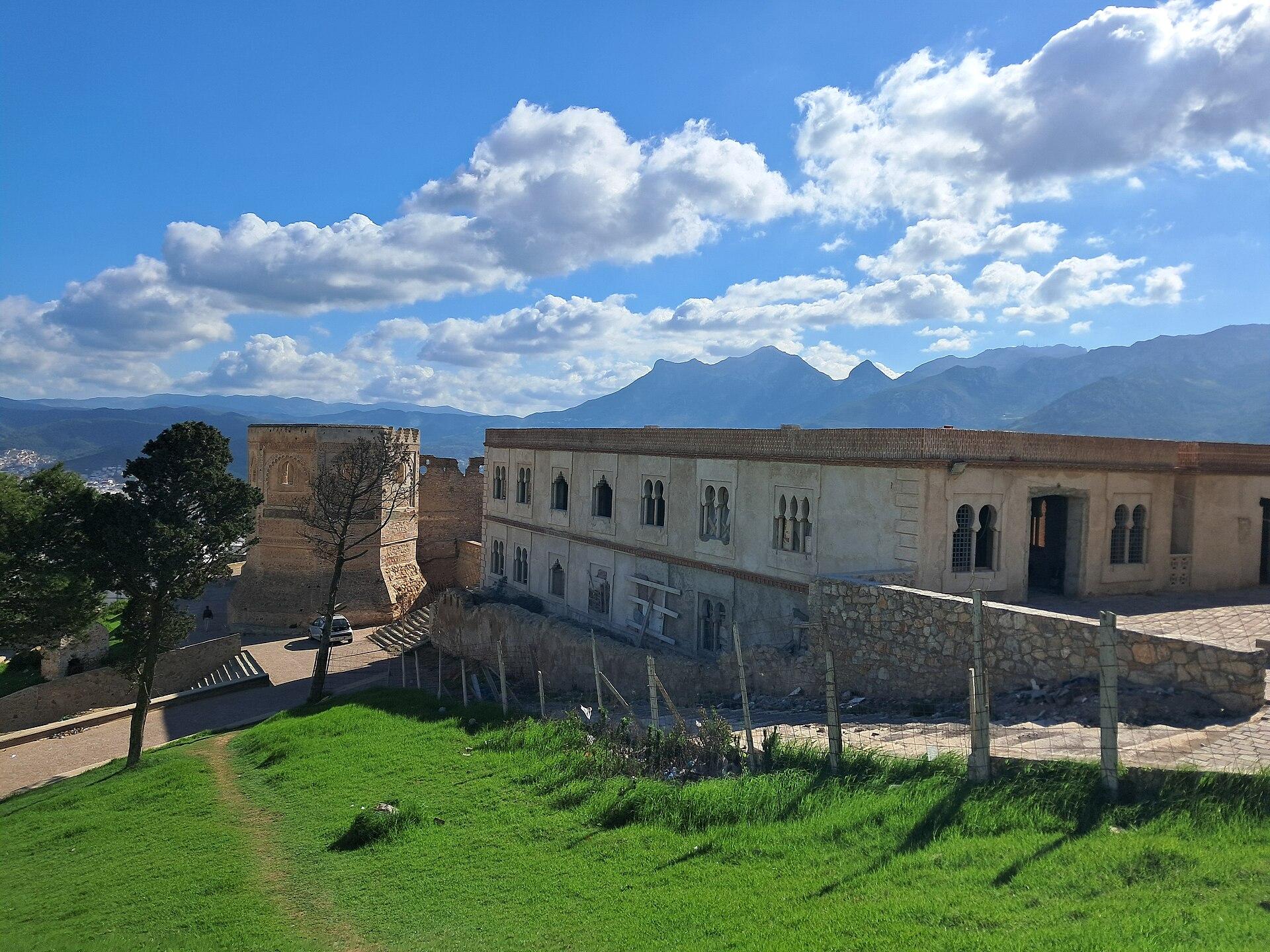
Give the medina a route, not a checklist
UNESCO describes Tétouan’s old town as a compact but complete historic medina, laid out across a slope and connected by gates, main streets, open spaces, artisan areas and smaller lanes. That is a useful family story to follow: notice how the large routes connect the town, then step into one quieter lane rather than trying to see every corner.
Before you set off, select a meeting point that everyone can recognise and agree on a short loop. Share the plan with older children, keep a phone map available and carry the accommodation name in writing. If you book a guide, ask them to shape the walk around your children’s age and the time they can comfortably spend on foot.
Families pairing Tétouan with another northern city can compare the travel rhythm in our Tangier guide before adding overnight changes.
Read the city in layers
| Layer | What families can notice | How to keep it comfortable |
|---|---|---|
| Approach | The medina’s position on the slope below Jebel Dersa | Start from a clear meeting point and choose a manageable direction. |
| Main streets | Connections between gates, squares and public buildings | Pause at wider spaces; avoid rushing through busy lanes. |
| Smaller lanes | Residential passages, workshops and everyday activity | Walk respectfully, keep children close and ask before photographing people. |
Read the medina in three layers
Expect slopes, turns and changing surfaces
The medina sits on the slopes of Jebel Dersa, so not every route will feel level. Wear closed shoes with a good grip and keep the pace slow on uneven paving. Families using a stroller should ask the guide or accommodation to recommend a specific accessible approach rather than assuming the whole medina can be crossed on wheels.
Build in a pause before tiredness sets in. A square or other open space can help the family regroup, offer water and decide whether to continue. When a lane narrows or becomes busy, bring children alongside an adult and keep bags zipped and close. These are ordinary city habits that make an old-town visit easier.
Use the gates and squares as wayfinding clues
UNESCO notes that the historic streets connect gates with squares, public buildings, craft and commercial districts, while smaller lanes branch into residential areas. This gives children a simple observation game: look for a wider street, find an open space, then see how the smaller passages branch away from it.
The medina is still part of daily life, not a stage built only for visitors. Give people room to pass, avoid blocking doorways and ask permission before photographing a person or a shop interior. For younger children, explain that a workshop is someone’s workplace and that looking quietly is more considerate than touching displays.
Choose the heritage details that fit your children
Tétouan’s history reflects its contact with Andalusia and the influence of Andalusian refugees on its architecture and urban form. You can keep the explanation accessible by asking children to spot repeated patterns, arches, doors or changes between a wide street and a narrow passage. There is no need to turn the walk into a long lecture.
If you plan to visit a museum, school or interior, check the current opening status, ticket arrangements and any age-related rules. Heritage pages explain why the medina matters, but they do not guarantee access to a particular building. Have a simple outdoor alternative ready in case an interior is closed or the family needs more time outside.
Connect Tétouan to the north without crowding the day
Tétouan can be part of a route with Tangier, Chefchaouen or the Mediterranean coast, but each addition changes the drive and the number of hotel nights. Before you book, check the transfer from the accommodation door to the next stop, the location of parking and whether you have time for a proper break on the road.
If the children are happiest with a slower holiday, choose two northern bases rather than moving every day. A second night gives the family the option to revisit a favourite street, have a quiet morning or leave after breakfast without squeezing in a final attraction. Your best route is the one whose travel days match your family’s actual tolerance.
For a route with a second blue-and-white medina stop, see our Chefchaouen family guide and plan the mountain drive separately.
Leave space for a family reset
An active medina walk can be tiring even when it is short. Plan water, toilets, a meal and time away from the crowd as part of the visit. If children become overwhelmed, step out to a quieter space and end the walk early. You can always return to a site on another day if the itinerary allows.
At the end, ask the children what they remember: the gates, a craft, the slope or the way the lanes meet. That recap helps you decide whether to visit another heritage site on the same trip or switch to a different kind of day. A family guide should make the city understandable, while leaving its residents and everyday routines undisturbed.
Common questions
Is the Tétouan medina suitable for children?
Many families can enjoy a short walk if they are comfortable with slopes, uneven paving and busy lanes. Choose a brief route and pause often; it is not a stroller-friendly flat circuit throughout.
How long should we plan for Tétouan’s medina?
Start with a few hours rather than trying to see every gate and quarter. Extend the visit if the children remain comfortable and the family has confirmed a suitable guide or opening time.
Should we hire a guide in Tétouan?
A qualified local guide can help explain the medina’s history and navigate its streets. Ask about walking distance, duration, language, child suitability and what the fee includes before confirming.
Is Tétouan’s medina a UNESCO site?
Yes. UNESCO inscribed the Medina of Tétouan, formerly Titawin, on the World Heritage List in 1997. Respect current signs and residents while exploring the lived-in historic district.
Can we combine Tétouan with Chefchaouen?
It may fit a northern route, but compare the actual road legs and overnight plan first. A scenic map connection can still create a long day for children if you add too many stops.